
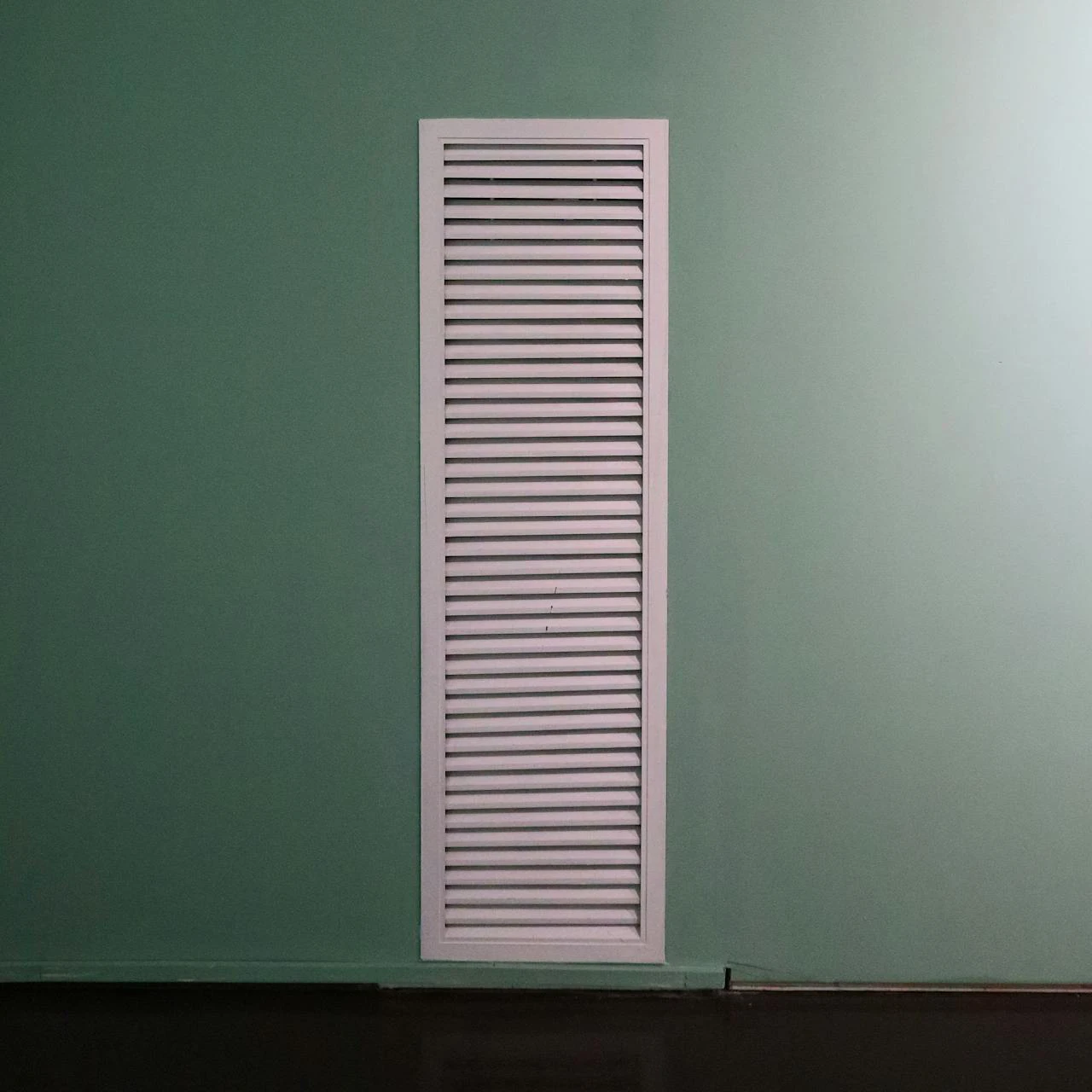
What Are the Vents Outside My House and What Do They Do?
If you have noticed vents on the outside of a house and wondered what they are for, you are not alone. Homeowners often search phrases like what are the vents on the outside of my house or vents on side of house when they spot a louvered cover near the attic, a round hood near a bathroom, or a grille along the foundation.
These exterior vents are part of your home’s external ventilation strategy. They help move moisture out, bring fresh air in, and protect key systems like attics, crawl spaces, dryers, bathrooms, kitchens, and plumbing. Understanding how exterior vents work makes it easier to spot problems early and avoid expensive repairs later.
This guide breaks down common types of exterior vents, where they are typically located, and what signs suggest a vent needs attention. Since every home is different, the most accurate answer depends on your layout, climate, and whether the vent is intake, exhaust, or both.
Quick clarity on exterior vents
Most vents on the outside of a house fall into three categories: attic ventilation, moisture exhaust, and under-home airflow. When external ventilation is working correctly, it helps prevent mold, protects insulation and framing, reduces condensation, and supports healthier indoor air. When it is not working, you may notice musty odors, peeling paint, high humidity, or unusually hot attic temperatures.
Jump to a section:
Why external ventilation matters
Common exterior vents and locations
Attic vents: soffit, gable, ridge
Exhaust vents: bath, kitchen, dryer
Foundation and crawl space vents
Signs a vent needs attention
FAQs
Why External Ventilation Matters for Comfort and Moisture Control
Exterior vents are not just cosmetic. They manage airflow, moisture, and heat in areas of the home that can otherwise trap damp air. In many climates, everyday activities like showers, cooking, laundry, and even breathing add moisture to indoor air. Without a reliable pathway to move that moisture out, condensation can build up inside walls, attics, and crawl spaces.
Good external ventilation helps reduce the conditions that support mold growth and wood rot. It also protects roofing materials by keeping attics cooler and drier. If you have ever asked yourself what are the vents outside my house, it helps to think of them as pressure relief and moisture routing for your home.
Where You Will Typically See Exterior Vents
Vents on side of house walls often connect to bathrooms, dryers, kitchens, or mechanical equipment. Vents near the roofline usually relate to attic ventilation, and vents near the ground often relate to crawl space or foundation airflow. Some homes also have vent terminations on the roof that support plumbing systems or mechanical exhaust.
The location gives a strong clue about the function. A vent high on a gable wall is usually helping the attic breathe. A hooded vent near a laundry area is often a dryer exhaust. A grille along the foundation is commonly associated with crawl space airflow, depending on how the home was built.
Attic Ventilation: Soffit, Gable, and Ridge Vents
Attic ventilation is one of the most common reasons homeowners notice exterior vents. The goal is to move cooler air in and allow warmer, moisture-laden air to escape. This protects insulation performance and reduces moisture that can condense on framing.
Soffit Vents and Intake Airflow
Soffit vents are typically found under roof overhangs. They are designed to bring fresh air into the attic. When paired with a higher exhaust point, soffit vents support a natural airflow path that helps prevent stagnant, humid attic conditions.
Gable Vents and Ridge Vents for Exhaust
Gable vents are often located near the peak of the roof on the triangular wall section. Ridge vents run along the roof ridge and provide a continuous exhaust channel. Both are designed to let heat and moisture leave the attic space.
If you are researching types of vents on outside of house because the attic feels excessively hot, the issue may be blocked intake, missing exhaust, or a mismatch between intake and exhaust capacity. A qualified inspection can confirm whether airflow is balanced and unobstructed.
Exhaust Vents: Bathroom, Kitchen, and Dryer Terminations
Many exterior vents are exhaust terminations that move humid or lint-filled air out of the home. Bathrooms create bursts of moisture that should be vented outdoors. Kitchens often generate heat and steam. Dryers move warm air loaded with lint and should terminate outside through a proper vent hood.
Bathroom Exhaust Vents
Bathroom vents typically terminate through a wall cap or roof cap. If you see vents on the outside of a house near a bathroom location, it is often connected to an exhaust fan. The goal is to expel moisture quickly to reduce condensation and mildew risk.
Dryer Exhaust Vents
Dryer vents usually have a hood and a flap that opens when the dryer runs. If the flap is stuck open, it can allow pests and drafts into the duct. If it is stuck closed, airflow may be restricted and drying times can increase. Dryer vent maintenance is important because lint buildup can become a safety hazard.
Foundation and Crawl Space Vents
If you see vents near the ground along the perimeter of your home, these are often foundation vents. Their purpose is to support airflow beneath the house and reduce moisture accumulation. Whether these vents should be open year-round depends on the construction style and the local climate.
Crawl spaces can collect moisture from soil, humidity, and plumbing. Poor airflow can contribute to musty odors and wood decay over time. If you are unsure what the vents on the outside of my house are near the foundation, an inspection can confirm whether the home uses a vented crawl space, encapsulation, or a different moisture-control approach.
Signs Exterior Vents May Need Attention
Exterior vents can fail quietly. Screens can clog, flaps can stick, and ducts can disconnect. If you notice persistent condensation on windows, musty smells, peeling paint near soffits, or rooms that never seem to dehumidify, external ventilation may be contributing to the problem.
Another common sign is staining around a vent termination, which can suggest backdrafting or moisture discharge that is not being directed properly. In dryer vents, longer dry times and excess lint around the exterior hood are signals that the vent path may need cleaning or repair.
A homeowner note if repairs start stacking up
Sometimes a vent issue is minor. Sometimes it is a clue that moisture has been affecting the home for a while, especially in attics, bathrooms, and crawl spaces. If you own a property where repairs keep compounding and you would rather step away than keep investing, Friendly Offer can help you compare options.
We buy houses in many situations, including homes with maintenance needs. If you want a direct route to sell my house fast, start online at /get-offer/ or call (805) 422-7049. You can also learn more about how we work at Friendly Offer.
Frequently Asked Questions
What are the vents outside my house?
Many exterior vents are designed for attic ventilation, bathroom or dryer exhaust, kitchen exhaust, or crawl space airflow. The location of the vent usually indicates its purpose. Roofline vents often relate to attics, wall vents often connect to exhaust fans or dryers, and low vents near the ground often relate to crawl spaces or foundations.
Why are there vents on the side of my house?
Vents on side of house walls are commonly exhaust terminations. Bathrooms, dryers, and sometimes kitchens use ductwork that must exit the home. These vents support indoor air quality by routing moisture, heat, and odors outdoors instead of letting them linger in the home.
What are common types of exterior vents?
Common exterior vents include soffit vents, gable vents, ridge vents, bathroom exhaust vents, dryer vents, and foundation vents. Each vent supports a different airflow purpose, but all are part of a larger external ventilation system intended to manage heat and moisture.
When should I worry about exterior vents?
It is worth investigating if you notice musty odors, visible mold, recurring condensation, peeling paint near roof edges, longer dryer times, or staining around a vent cap. These can indicate blocked airflow, moisture buildup, or a disconnected duct that needs repair.
If you are dealing with a property that needs work
If ongoing maintenance issues are pushing you toward selling, Friendly Offer can help you explore a direct sale with cash home buyers. Many sellers choose this route when they want to sell my house fast without taking on a long repair list. Start at /get-offer/ or call (805) 422-7049.
