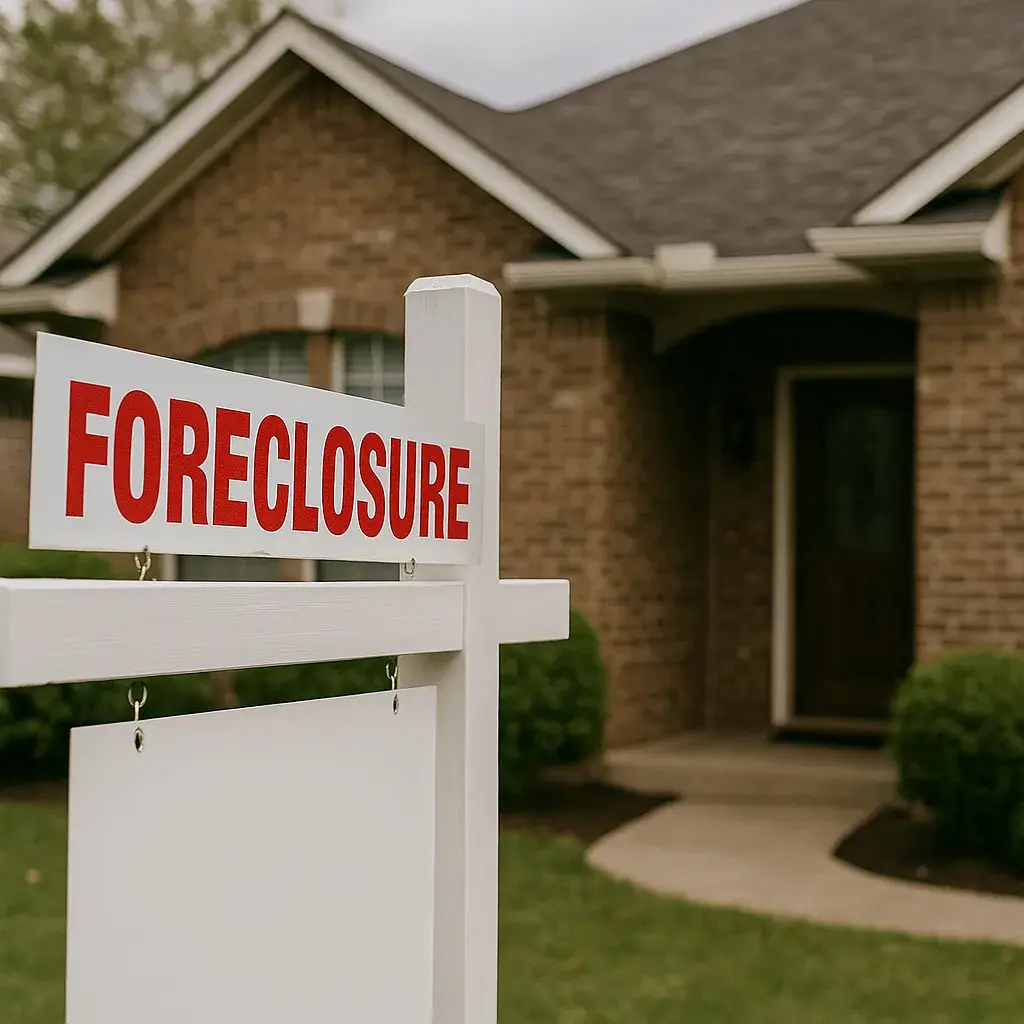
Selling a house in foreclosure can feel urgent and stressful, especially when notices are piling up and the timeline is unclear. The key is understanding where you are in the foreclosure process and choosing a strategy that protects your time and your options. This guide explains foreclosure stages, ways to avoid foreclosure, and how a sale can work. If you need to sell my house fast, Friendly Offer can help with a direct, as-is sale. We are cash home buyers and we buy houses in many situations, including pre-foreclosure.
If you have already missed payments, it also helps to gather a few key details right away, such as your loan balance, any past due amount, and whether a sale date has been scheduled. Those pieces of information can shape every next step, including whether you still have time for a loan workout or whether selling is the most practical path. Many homeowners choose a direct sale because it can reduce delays, limit showings, and avoid repair negotiations while the clock is ticking. No matter which route you take, acting early can help you protect your credit as much as possible and move forward with a clearer plan.
Table of Contents
Understanding The Foreclosure Process
Foreclosure is the legal process a lender uses to recover the balance of a mortgage after missed payments. The details vary by state and loan type, but most situations start with missed payments and lender notices, then move toward a scheduled sale date if the delinquency is not resolved. If you are selling a house in foreclosure, the earlier you act, the more options you tend to have.
Time Matters In Pre-Foreclosure
If your home is still in the early notice stage, you may be able to sell before a foreclosure sale date is set. That can protect your options and reduce stress.
Stages Of Foreclosure
While each state is different, many foreclosures follow a similar pattern: missed payments, default or breach notices, a period to cure the default, and then escalation toward a scheduled sale if the loan is not brought current or resolved. Fees and costs can increase as the process continues, which is one reason many homeowners consider selling before the sale date.
Homeowner Rights During Foreclosure
Homeowners often have rights related to notices, timelines, and the ability to pursue certain loss mitigation options through the lender. Because rules vary by state and loan type, many people consult a qualified housing counselor or attorney to understand what applies. Knowing your rights can help you make calmer decisions and avoid missing a critical deadline.
Timeline Of The Foreclosure Process
Foreclosure timelines can move quickly or slowly depending on where you live and how the lender proceeds. Some states have court involvement, while others allow nonjudicial processes that can feel faster. If you are considering a sale, it helps to identify whether a sale date has been scheduled and how much time you have to close before that deadline.
Options To Avoid Foreclosure
Foreclosure does not always mean there is only one outcome. Some homeowners pursue a loan modification or repayment plan. Others refinance if their credit and income still qualify. In certain cases, a short sale or deed in lieu may be considered. If none of those options fit, selling the house before the process reaches the sale stage can be a practical way to avoid further damage to your finances.
Loan Modification And Refinancing
Loan modification may reduce payments by adjusting loan terms, while refinancing replaces the loan with a new one. Both approaches can take time and require documentation. If your timeline is tight, it is important to confirm whether these options can realistically be completed before the foreclosure sale date.
Short Sale
A short sale is when the home sells for less than what is owed on the mortgage and the lender approves the terms. This can be an option when the market value is below the loan balance. Approval and timelines vary, so it is important to understand what the lender requires and how quickly they can respond.
Deed In Lieu Of Foreclosure
A deed in lieu is when the homeowner transfers the property to the lender to satisfy the debt under agreed terms. This is not available in every situation, and lenders may have requirements such as attempts to sell first. If you are considering this option, confirm the details with a qualified professional so you understand any remaining obligations.
Preparing Your Home For Sale
When you are trying to sell during foreclosure, the goal is usually speed and clarity, not perfection. If you plan to list traditionally, basic cleanup and simple presentation can help. If you plan to sell as-is, focus on making access easy and gathering key information so the sale can move forward without delays.
Fast Prep That Helps Without Major Repairs
- Remove trash and obvious clutter
- Secure valuables and personal documents
- Keep the property accessible for walkthroughs
- Gather mortgage and payoff information if available
- Write down known issues to prevent surprises later
- Confirm utilities if safe and feasible
- Locate HOA information if applicable
- Know your timeline and any scheduled sale date
Pricing Your Home Correctly
Pricing affects speed. If you price too high, you may run out of time. If you price too low, you may lose options that could have helped your situation. In foreclosure situations, a realistic price paired with a clear timeline often works best, especially if you need to close quickly.
Navigating The Foreclosure Sale Process
Selling a home in foreclosure usually involves additional coordination with the lender, especially if there are payoff questions or if the loan balance is higher than expected. If you want to avoid delays, it helps to communicate early and keep documentation organized. The sooner payoff information and timelines are confirmed, the easier it is to plan a sale that can close on time.
A Direct Sale Can Reduce Delays
If you need to sell quickly, a direct as-is sale can help reduce showings, avoid repair negotiations, and limit financing delays. Many homeowners choose this route when the goal is to stop the process and move forward with a clear timeline.
Understanding The Legal Aspects
Foreclosure involves legal steps and deadlines. If you are unsure about notices, rights, or timelines, speaking with a qualified professional can help you understand what applies in your state. The goal is avoiding missed deadlines and choosing a solution that fits your situation.
Negotiating With Buyers And Lenders
A foreclosure sale often requires clarity around payoff amounts and timing. If you receive an offer, you may need to coordinate with the lender to confirm the payoff and whether any additional approvals are required. Clear communication and documentation can prevent last-minute issues.
Need To Sell Your House Fast Before Foreclosure
If you are trying to stop foreclosure and want a clear path forward, Friendly Offer can help. We buy houses as-is and can work with you on a timeline that fits your situation.
Reach out through contact us or call (805) 422-7049.
Frequently Asked Questions
What Is The Difference Between A Short Sale And A Regular Sale?
A short sale is when the home sells for less than the mortgage balance and the lender approves the terms. A regular sale is when the home sells for enough to pay off the mortgage and any related costs, and the remaining proceeds go to the homeowner.
Can I Sell My House While It Is In Foreclosure?
In many cases, yes. If you still own the property and there is time before a foreclosure sale date, you can often sell the home. The key is understanding your timeline and coordinating payoff details with the lender so the sale can close before the process advances.
When Is It Too Late To Stop Foreclosure By Selling?
It can become much harder once the home has already been sold at a foreclosure auction. Before that point, you may still be able to sell, but timing matters. If you have a scheduled sale date, you typically need a buyer and closing plan that can meet that deadline.
Do I Need To Make Repairs Before Selling A House In Foreclosure?
Not necessarily. Some homeowners choose to list traditionally and make light improvements, while others sell as-is to avoid repairs and speed up the process. If your goal is to sell my house fast, an as-is sale to cash home buyers can reduce repair negotiations and shorten the timeline.
Will Selling Before Foreclosure Help My Credit?
Every situation is different, but avoiding a completed foreclosure can often be less damaging than allowing the process to finish. The impact depends on your loan status and what resolution is reached. If credit impact is a major concern, consider speaking with a qualified housing counselor or attorney to understand what applies in your case.