
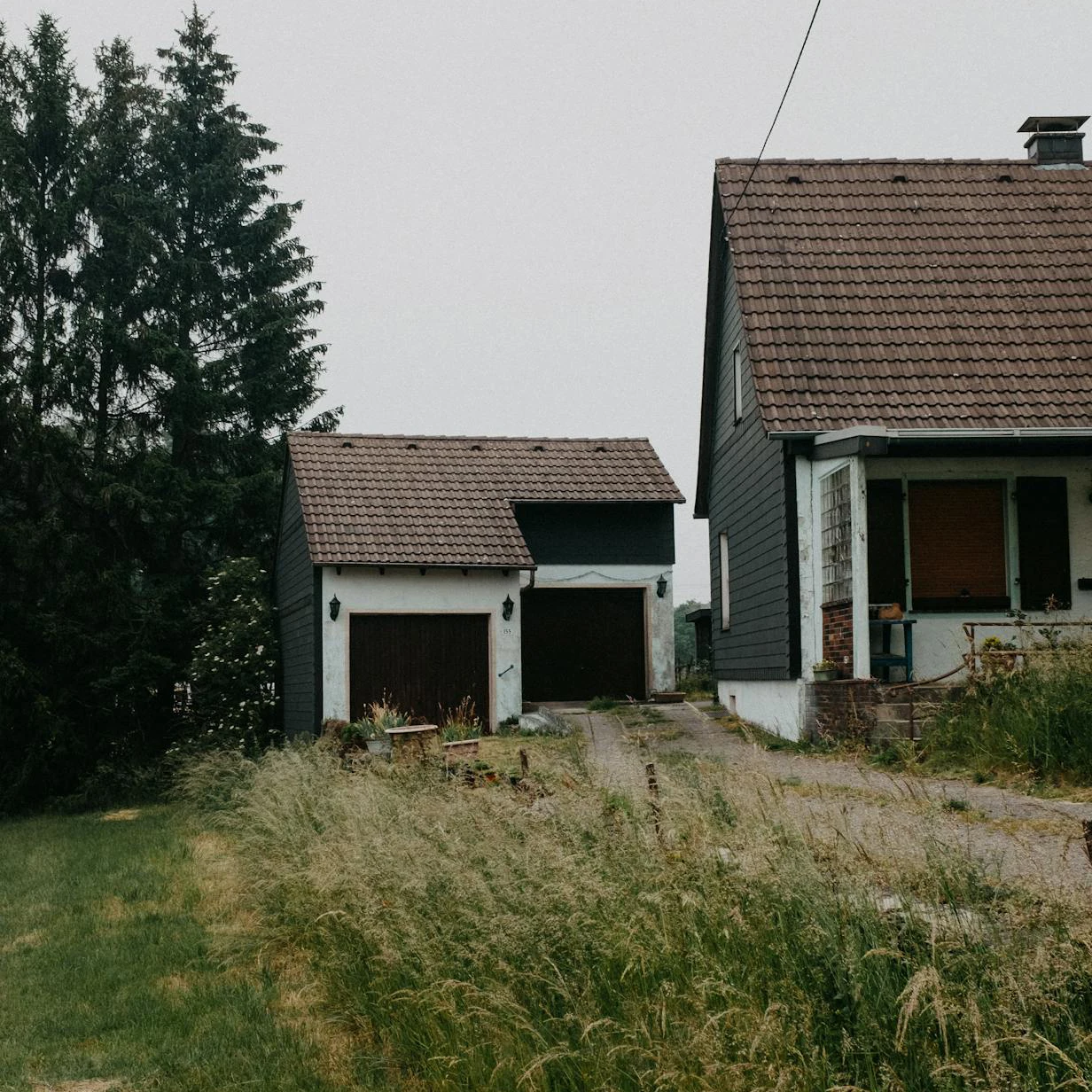
Leaving a Home Vacant Without Problems
If you are away on vacation or relocating for work, leaving a house unoccupied can feel stressful for one simple reason: a vacant property has no daily “signals” that someone is watching. That can increase the chances of break-ins, vandalism, unnoticed leaks, pest activity, and small maintenance issues turning into expensive repairs.
People searching leaving house empty for 3 months, how long can i leave my house unoccupied, or what to do when leaving house for 3 months usually want a clear checklist. This guide breaks down the biggest risks of leaving a house vacant, how to secure it, what to do about utilities and insurance, and when selling an empty property might be the simplest move.
Quick answer people are looking for
In many situations, leaving a house unoccupied for up to three months can be manageable if you plan ahead. The real risk is not the calendar, it is what happens while no one is checking the property. Security issues, water leaks, HVAC failures, storm damage, and insurance limitations are the main reasons vacant homes become expensive fast.
Jump to a section:
What happens when a house is empty
Why vacant homes deteriorate
What to do before leaving for 3 months
How to secure your home while away
Home insurance for an empty house
How long can a house stay vacant
Selling an empty property
FAQs
What Happens When a House Is Left Unoccupied
One of the biggest risks of leaving a house vacant is the increased chance of break-ins, vandalism, and theft. Even in a good neighborhood, an empty home is easier to target because there is no daily activity, no cars coming and going, and no one responding immediately to noise or damage.
Another major concern is squatters. If a property looks abandoned or obviously empty, it can attract unwanted occupants. The longer a house sits without regular check-ins, the more complicated the situation can become. The best prevention is simple: remove the “vacant” signals, keep the exterior maintained, and make sure the home is visibly monitored.
Why Vacant Homes Deteriorate Faster
Leaving a home vacant does not automatically mean it will fall apart, but empty houses tend to deteriorate faster because small problems are not caught early. When someone lives in a home, they notice drips, smells, stains, odd sounds, or HVAC issues before they become major repairs. When a property is empty, those warning signs can go unnoticed for weeks.
Common reasons damage happens
- Lack of maintenance and delayed repairs that snowball into larger issues.
- Pest activity because vacant homes provide quiet shelter and easier access points.
- Weather damage when gutters, drainage, or roof issues are not noticed quickly.
- Vandalism when the house looks unmonitored or neglected.
- Squatters and unauthorized entry, especially when a property appears abandoned (see: squatters).
The damage that costs the most
- Water leaks under sinks, behind toilets, or in attics that spread quietly.
- Mold growth after humidity builds up with no airflow or dehumidification.
- HVAC failures that cause moisture issues, frozen pipes, or extreme interior temperatures.
- Exterior neglect that signals vacancy, such as overgrown grass or piled mail.
- Electrical issues that go undetected until a major repair is needed.
If your house already needs repairs, vacancy tends to magnify those problems. In that case, it may be worth reading how to sell a house that needs repairs to understand alternatives if the cost of maintaining an empty property is climbing.
What to Do Before Leaving a House Empty for 3 Months
If you are planning on leaving house empty for 3 months, focus on three priorities: make the home look lived-in, reduce water and utility risks, and ensure someone can respond quickly if something goes wrong. The goal is not perfection. It is preventing the expensive surprises that happen when a home sits untouched.
- Tell a trusted neighbor or friend you will be gone and ask them to do quick exterior walk-bys.
- Hold or forward mail, and remove any deliveries that signal vacancy.
- Set interior and exterior lights on timers so the home looks active at night.
- Lock doors and windows, secure side gates, and check that the garage door is fully functional.
- Do a pre-trip walkthrough: check under sinks, around water heater, and visible plumbing for any slow leaks.
- Adjust HVAC to safe ranges and consider a smart thermostat for monitoring.
- Confirm emergency contacts with a local plumber, HVAC tech, and a trusted keyholder if possible.
How to Secure Your Home While You Are Away
Security is the most obvious concern for leaving a house vacant, but it is not just about alarms. It is about removing easy opportunities. A camera system helps, but visible signs of maintenance and monitoring can matter just as much.
Practical security steps
- Install a doorbell camera or exterior cameras and enable motion alerts.
- Use smart lighting or timers to create natural-looking lighting patterns.
- Keep landscaping trimmed so the home does not look abandoned.
- Ask a trusted person to move a trash bin or park briefly in the driveway occasionally.
- Lock any ladders, tools, or spare materials that could help someone break in.
Monitoring that prevents costly damage
- Water leak sensors near water heater, sinks, and laundry area.
- Smart thermostat monitoring to avoid extreme temperatures.
- Garage door monitoring so you can confirm it is closed.
- Regular check-ins from a neighbor or property manager, even if brief.
- Contractor contact list ready in case your checker finds an issue.
Home Insurance for an Empty House
If you are leaving a house unoccupied, insurance is one of the most important details to confirm before you go. Many policies include a vacancy clause that can reduce coverage or require special steps if the home is left empty beyond a set time period. Policies are not all identical, so do not assume you are covered the same way you would be while living there.
If you expect the home to be vacant for more than a month, contact your insurer and ask what they consider “vacant” and what coverage changes. Some owners choose a vacant home insurance policy for peace of mind. You can also learn more about how vacancy clauses commonly work from resources like vacant home insurance guidance, then confirm the details that apply to your specific policy.
How Long Can a House Stay Vacant
There is no single universal answer to how long can a house stay vacant because it depends on climate, the condition of the property, whether utilities remain on, and how often someone checks the home. In general, leaving a home vacant for three months can be workable when the property is secured, monitored, and protected against water damage and temperature swings.
The bigger risk is leaving a house vacant for a year or more without maintenance. Extended vacancy increases the chance of unnoticed leaks, pest problems, HVAC failures, roof issues, and exterior neglect that signals the home is unoccupied. If you are planning for a long absence, schedule regular check-ins and maintenance visits so the home stays stable.
A homeowner note if vacancy is becoming a burden
Sometimes the problem is not just leaving a house vacant. It is paying for utilities, insurance, and maintenance while the property sits and stress builds. If you are starting to think about selling, selling your house directly to a cash buyer can remove the uncertainty and the ongoing costs.
Friendly Offer buys properties in many situations, including empty homes and houses that need repairs. If you want a straightforward option, call (805) 422-7049 or visit Friendly Offer to learn how a direct sale works.
Selling an Empty Property
An empty home can be harder to protect and maintain, especially if you are far away. If you are managing vacancy from another city or state, the cost of repairs, cleanouts, lawn care, and check-ins can add up quickly. This is why many owners explore a direct sale when they do not want the responsibility of maintaining a vacant property.
If you want to avoid the hassle of repairs, showings, and long listing timelines, a cash sale may be the simplest option. Friendly Offer can buy your house as-is and close quickly. If you are ready to talk through your situation, call (805) 422-7049. You can also fill out the form below to request an all-cash offer.
Frequently Asked Questions
What should I do when leaving a house empty for 3 months?
Start with the basics that prevent the biggest losses: secure doors and windows, stop mail, set lights on timers, and have a trusted person check the home regularly. Then focus on damage prevention by monitoring plumbing for leaks, keeping HVAC in safe ranges, and confirming your insurance policy does not limit coverage due to vacancy.
How long can I leave my house unoccupied before it becomes risky?
Risk increases as soon as no one is checking the home, but most serious problems come from weeks of no monitoring. Even if the plan is leaving house unoccupied for a short period, a quick weekly check can catch leaks, storm damage, or signs of entry before they become expensive repairs.
Does home insurance cover leaving a house vacant?
Many insurance policies have vacancy clauses that may reduce coverage or require special steps if the home is unoccupied beyond a set time period. Contact your insurer, ask what they consider “vacant,” and confirm coverage rules before you leave so you are not surprised during a claim.
What happens if you leave a house vacant for a year?
Leaving a house vacant for a year increases the chance of unnoticed leaks, pest issues, HVAC failure, roof damage, and exterior deterioration. It can also increase security risks because a long-term vacant home often looks abandoned. Regular check-ins, maintenance, and clear insurance coverage become even more important for long vacancy periods.
How can I make a vacant house look occupied?
Use timers or smart lights, keep landscaping maintained, avoid piled mail, and ask a neighbor to do occasional walk-bys. The goal is to remove the obvious signals that a home is empty and make it clear someone is paying attention.
Should I sell if I am tired of maintaining an empty property?
If the property is becoming a financial or logistical burden, selling may be the cleanest solution. A direct sale can help you avoid ongoing carrying costs and reduce the risk of the home deteriorating while it sits. If you want to explore that route, Friendly Offer can help you compare options and move on your timeline.
